
YOGA · MEDITATION · FIRST VISIT
Questions are
part of the path.
Everything you may want to know before learning yoga and meditation with Ananda Marga in South Korea—from appointments and clothing to age, flexibility and the wider tradition.
Personal, English-friendly guidance in South Korea
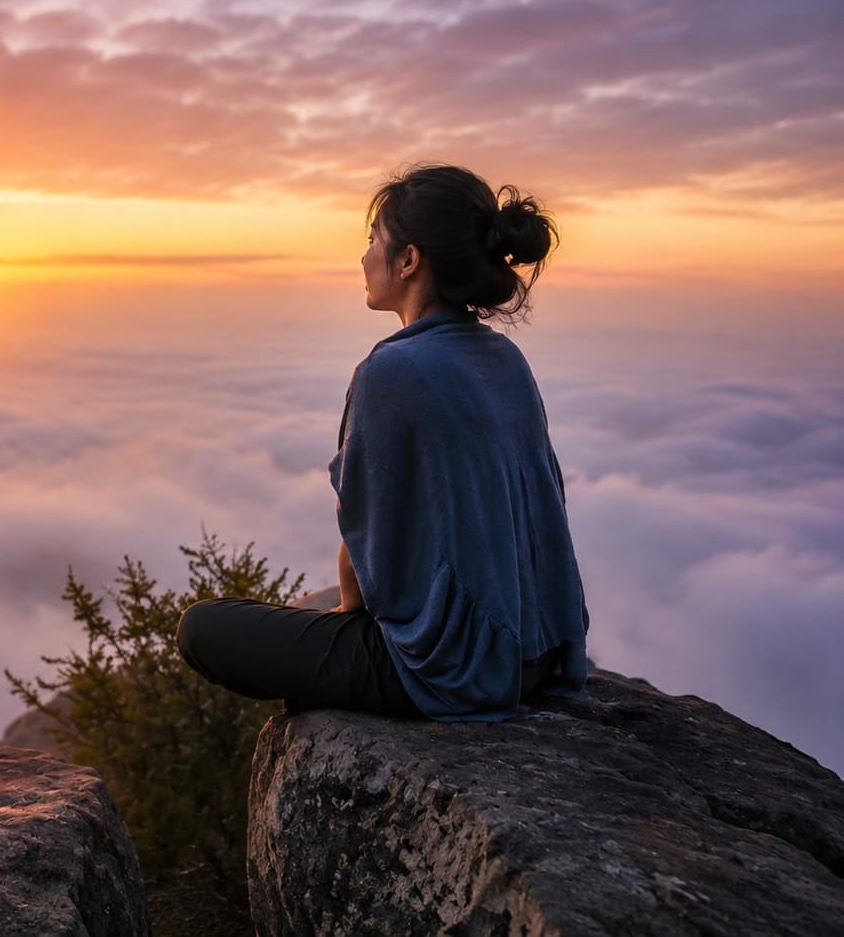
NEW TO THE PRACTICE?No special experience, flexibility or equipment is required.
THE ESSENTIALS
Starting is simpler than you may think.
01
Book personally
Classes are normally arranged individually around the student’s and teacher’s availability.
02
Guidance is free
Yoga and meditation guidance is offered free of charge. Voluntary donations to support the centre are welcome.
03
Mats are provided
You do not need to bring a blanket or mat. Wear loose, comfortable clothing that allows easy movement.
VISITING AND PREPARING
What to know before you arrive.
You do not need specialist equipment or previous yoga experience. Come in comfortable clothing and contact us before visiting.
01 · APPOINTMENTS
How do I join a class?
Because space is limited and teachers have varied schedules, classes can be arranged individually at a time convenient for both student and teacher. Please contact us to make an appointment before visiting.
02 · COST
What does a class cost?
Classes and personal guidance are free of charge. A voluntary donation to help with the centre’s running costs is always appreciated.
03 · CLOTHING
What should I wear?
Any loose, casual clothing that lets you sit, bend and move comfortably is suitable.
04 · EQUIPMENT
Do I need to bring a blanket or mat?
No. Yoga mats are available for you to use at the centre.
05 · FACILITIES
Can I change clothes before and after class?
Yes. A changing room is available at the centre.
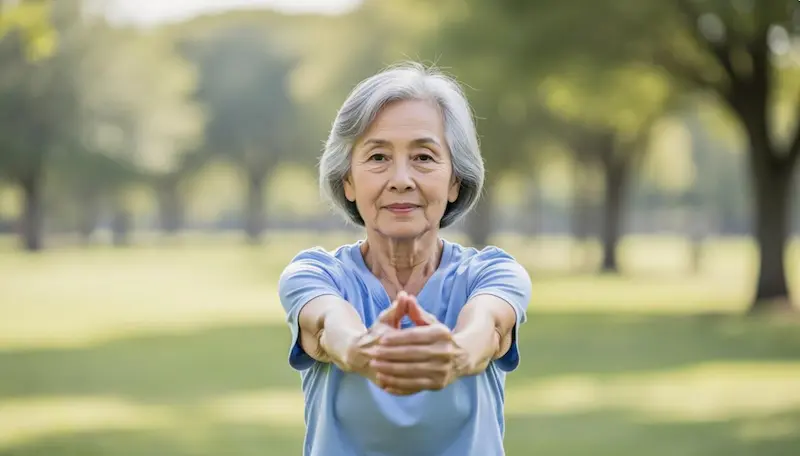
06 · AGE AND FLEXIBILITY
Can older people practise Tantra Yoga?
Yes. Many students begin after the age of 50, and limited flexibility is not restricted to any one age group.
The introductory postures are selected so that a wide range of people can practise without strenuous exercise. The teacher can adjust the approach to your mobility, experience and health. Do not force a posture or continue through pain.
BEGIN WHERE YOU AREYoga is not a flexibility test. Comfort, awareness and consistency matter more.
07 · UNDERSTANDING THE APPROACH
Is Tantra Yoga different from Hatha Yoga?
Both work with the relationship between body and mind, but their emphasis and the way a modern class is taught can differ.
HATHA YOGA
Physical practice as a way to steady the mind
Classical Hatha Yoga uses physical disciplines to influence and steady the mind. Some contemporary classes place greater emphasis on fitness, posture performance and flexibility.
TANTRA YOGA
Mental and physical practice in one system
Our beginner approach combines meditation with postures, relaxation, guided visualization and practical wellbeing guidance. The aim is physical and mental balance rather than an athletic workout.
Tantra Yoga uses the body as support for a wider inner practice—helping us regulate the emotions, relieve stress and rediscover a deeper sense of self.
8
INTERCONNECTED LIMBS
08 · THE WIDER SYSTEM
Is the yoga you teach different from Ashtanga Yoga?
No. Our practice is rooted in the eight-limbed system of Astaunga—or Ashtanga—Yoga.
A beginner’s class introduces only part of the complete system. Advanced learning explores the limbs in greater depth, including ethics, postures, breath, concentration and meditation. Personal meditation instruction and guidance remain free of charge.
A SIMPLE FIRST STEP
Three things are enough.
01
Contact us first
Tell us when you would like to visit and whether you are interested in yoga, meditation or both.
02
Dress comfortably
Choose loose clothing. A mat and changing space are available at the centre.
03
Come as you are
You do not need to be young, flexible, experienced or especially spiritual to begin.
STILL CURIOUS?
Ask the question that matters to you.
Tell us about your experience, health needs or schedule. We will help you find a comfortable way to begin yoga and meditation in South Korea.