
YOGA · BALANCE · MEDITATION
A steady body.
A composed mind.
A deeper practice.
In Ananda Marga, yoga postures are more than exercise. Each asana helps cultivate physical ease, emotional balance and the inner steadiness needed for meditation.
English-friendly guidance in South Korea
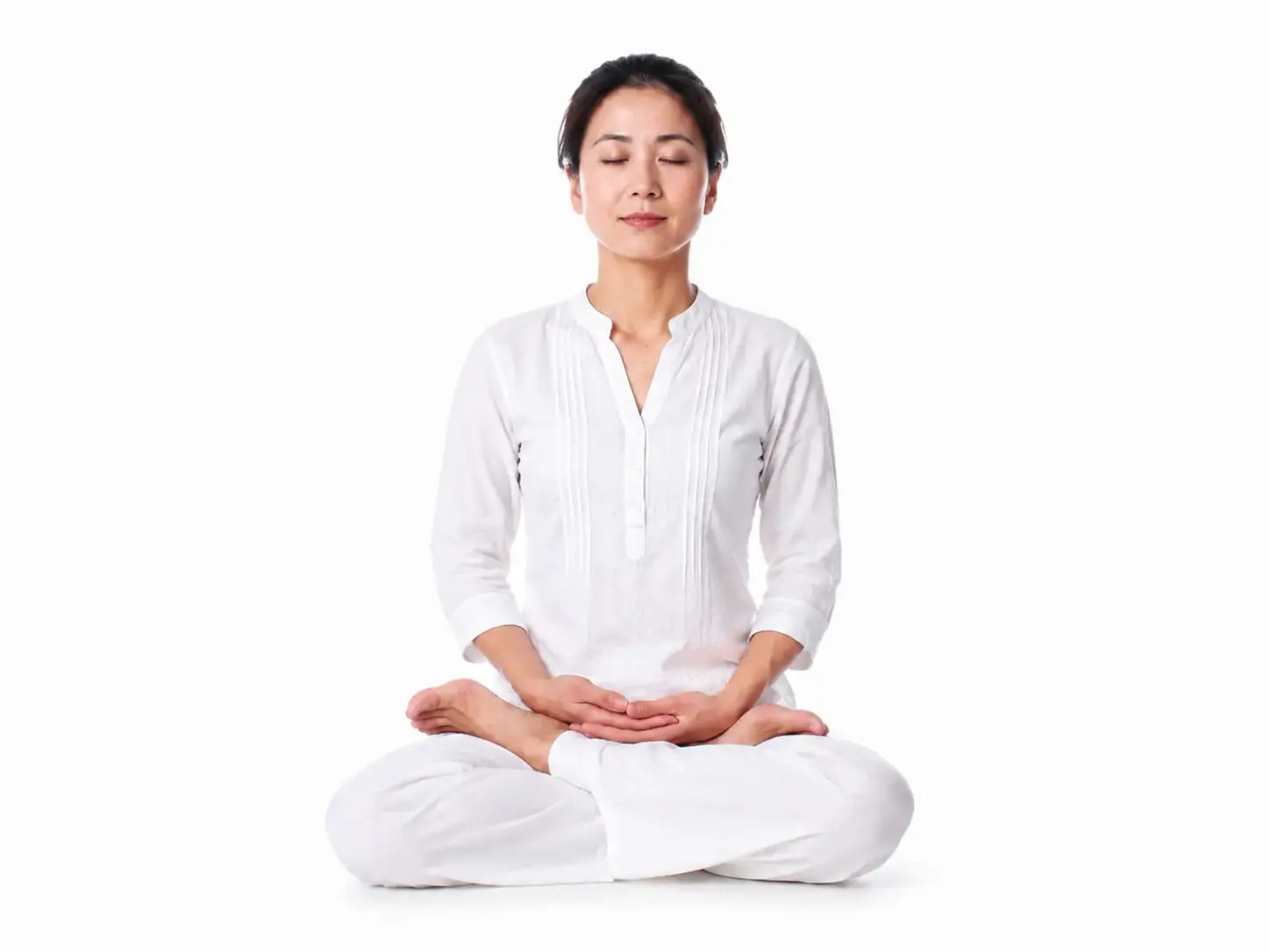
ĀSANA“A posture giving physical comfort and mental composure.”
SANSKRIT
Āsana
Ease in the body
composure in the mind
YOGA AS A WAY OF LIFE
Posture is one part of a complete path.
Yoga is often treated as another word for physical postures. In its fuller sense, however, yoga is a way of life—an integrated path that brings the body, mind and deeper Self into harmony.
Asanas work with the muscles, nerves, glands and organs. Their most important purpose is not performance or appearance, but preparing the mind for concentration and meditation.
HOW THE PRACTICE SUPPORTS YOU
From physical ease to inner focus.
Regular, appropriately guided practice can support balanced movement, relaxation and greater awareness of the body and mind.
01
Glandular balance
Works systematically with the endocrine system and the emotions it influences.
02
Flexibility
Encourages a comfortable, functional range of movement through the body.
03
Healthy circulation
Supports respiration and the natural movement of blood and lymph.
04
Internal stimulation
Uses movement and gentle pressure to stimulate the internal organs.
05
Joint mobility
Helps keep the joints mobile and supports their natural cleansing processes.
06
Deep relaxation
Releases accumulated tension in the nerves and muscles.
07
Meditative readiness
Creates physical comfort and emotional steadiness for deeper meditation.
08
Whole-person wellbeing
Supports a more balanced rhythm across daily movement, rest and inner practice.
BEFORE YOU BEGIN
Comfort first. Guidance always.
Asanas should feel calm, deliberate and appropriate for your body. Never force a position or continue through pain.
GOOD TO KNOWA trained teacher can adapt the practice to your condition, experience and needs.
01
Stay cool and calm
Begin when the body and breath feel settled rather than overheated or agitated.
02
Allow digestion
Do not practise on a full stomach; leave enough time after eating.
03
Prepare the room
Use a clean, warm, smoke-free space and spread a blanket or yoga mat.
04
Ask for guidance
If you are new, injured or managing a health condition, consult an appropriate professional.
Special carePregnancy, menstruation, injury and medical conditions may require changes or rest. The source tradition recommends limiting practice to meditation postures during pregnancy or menstruation. Seek qualified personal guidance and stop if you feel pain, dizziness or unusual discomfort.
THREE SIMPLE POSTURES
Move slowly. Breathe naturally. Never strain.
Spread a blanket or mat on the floor. Read each sequence fully before beginning, stay within a comfortable range and learn directly from a teacher when possible.
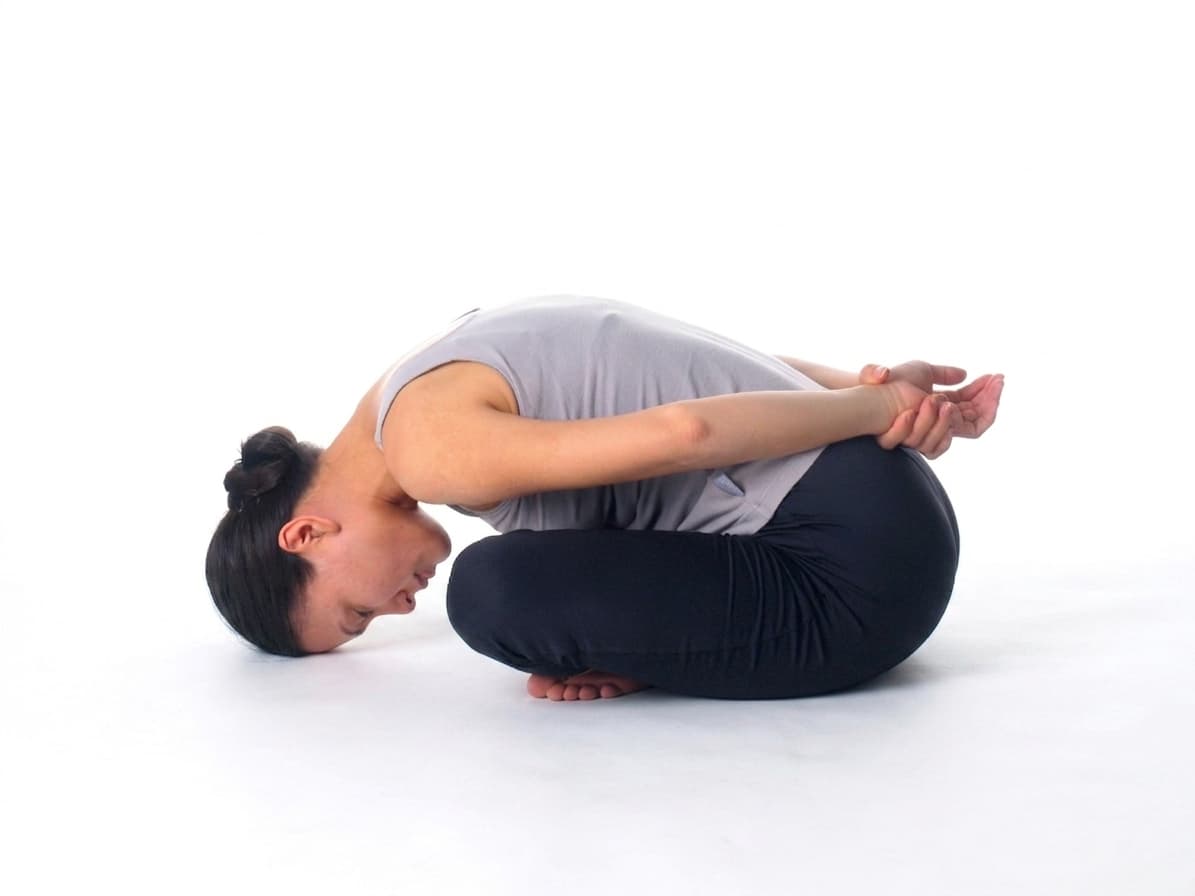
01 · INTRODUCTORY ĀSANA
Yogamudra
Sit cross-legged. Hold your left wrist with your right hand behind your back. Lower the chin and neck slowly, then bend forward as far as is comfortable while breathing out.
Remain for up to eight seconds without straining, then rise while breathing in. The source practice suggests repeating eight times.
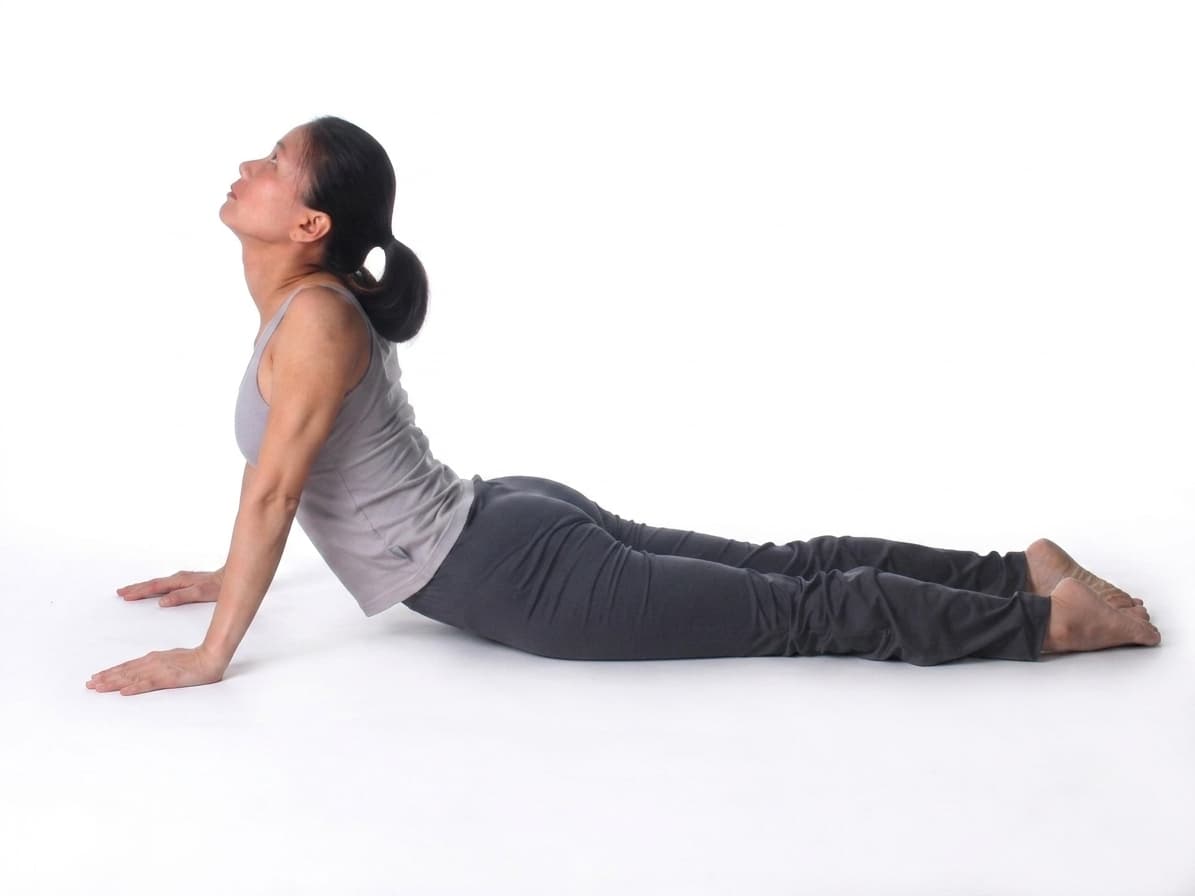
02 · INTRODUCTORY ĀSANA
Cobra
Lie on your stomach. Place your palms on the floor beside your ears. Supporting yourself with the hands, lift the chest gently and look upward while breathing in.
Remain for up to eight seconds without compressing the lower back, then lower slowly while breathing out. The source practice suggests repeating eight times.
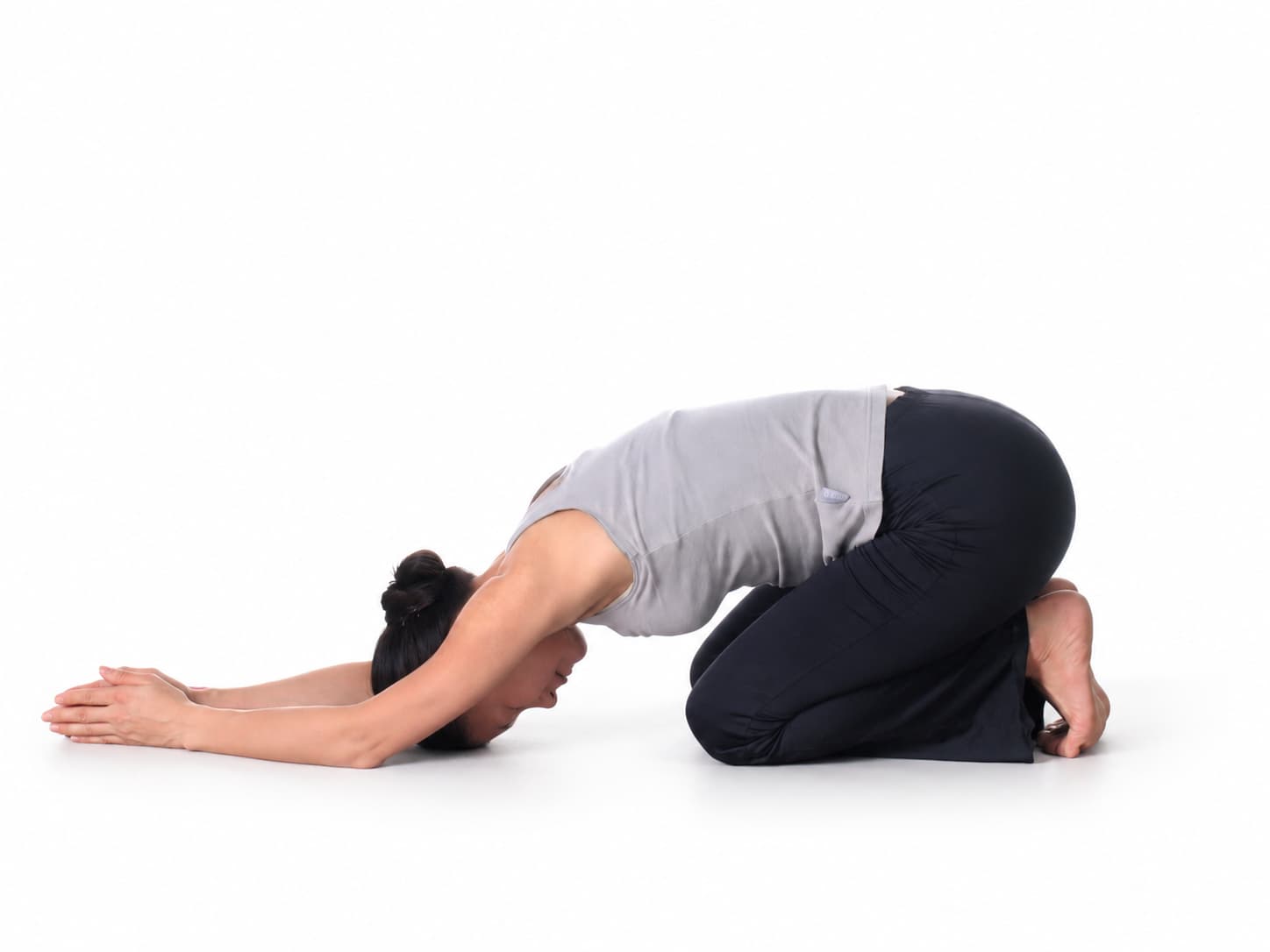
03 · INTRODUCTORY ĀSANA
Long Salutation
Kneel with the buttocks resting on the heels and the toes pointing forward. Bring the palms together and extend the arms beside the ears. Lower the arms, head and upper body as one while breathing out.
Stretch forward with the forehead and nose toward the floor, keeping the hips close to the heels. Remain for up to eight seconds, then rise while breathing in. The source practice suggests repeating eight times.
PRACTISE WITH A VIDEO
A gentle 20-minute everyday yoga sequence.
Connect simple movements into a balanced whole-body practice, suitable as an introduction before learning a personal routine.
YOGA DANCE
Kaoshikii
Dynamic movement for
body, mind and spirit
AFTER YOUR ASANAS
Awaken energy, mobility and confidence.
Kaoshikii is a distinctive Ananda Marga yoga dance practised after asanas. Its rhythmic bends and steps move the whole body, loosen the spine and joints and bring an expressive, uplifting quality to practice.
The tradition especially recommends it for women and associates regular practice with physical vitality, mental strength, confidence and self-expression.
PERSONAL · PRACTICAL · IN KOREA
Build a practice that supports your meditation.
A trained teacher can help you understand alignment, breathing, repetition and the role of asanas within a complete meditation practice. English-friendly guidance is available through our communities in Seoul, Jeonju, Wanju and Daejeon.
SEOULJEONJUWANJUDAEJEON
THE PRACTICE IN CONTEXT
Body → breath → mind
Asanas cultivate ease in the body. Breath steadies the nervous system. Meditation directs the mind inward. Together they form a practical daily rhythm.